Source Truck Clutch Booster for Isuzu Hino and Kinglong
Compare 30 truck clutch booster options from verified Chinese suppliers offering CNC machining and customization. Find parts for Isuzu, Hino, and Kinglong vehicles with OE numbers like 642-09102 and 642-03505, available in aluminum or steel with ISO certifications.
Key considerations
Products List
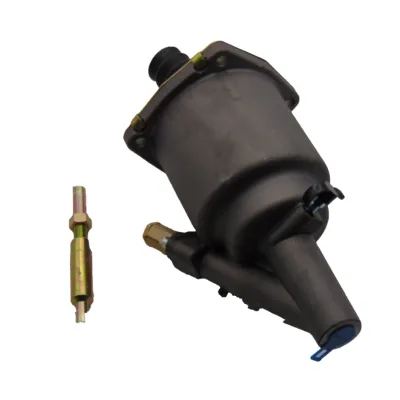


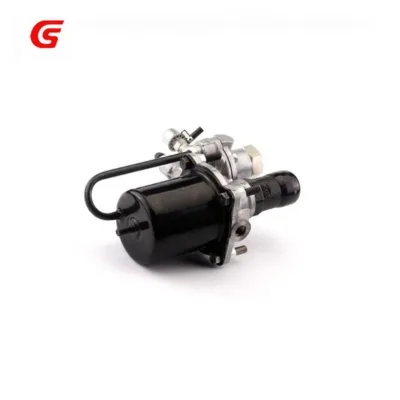

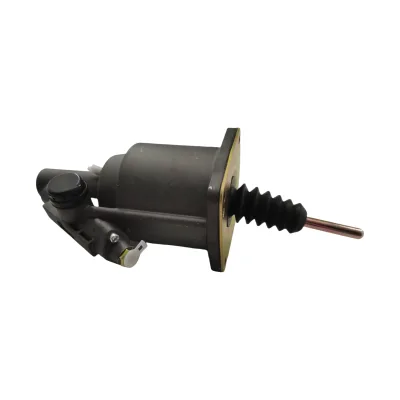


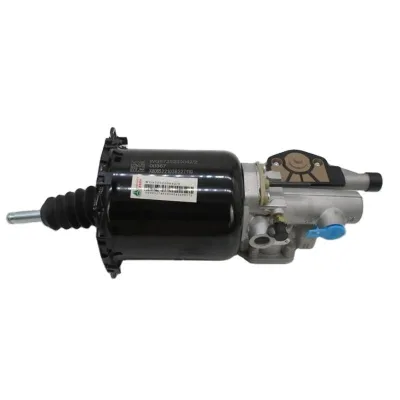
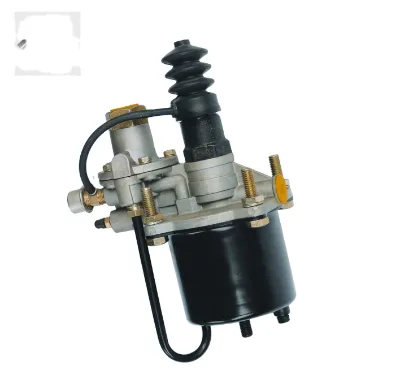


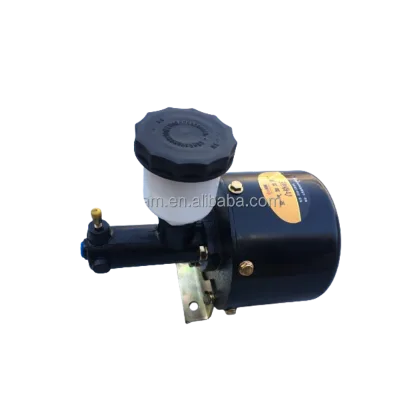


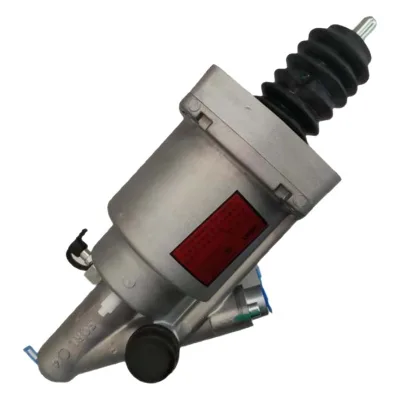
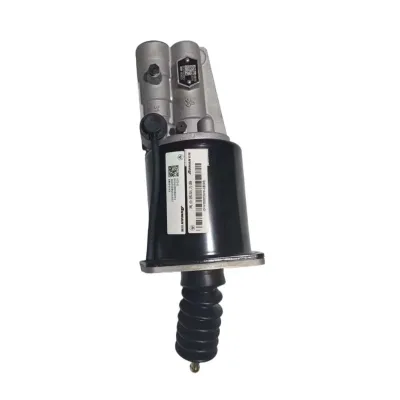
Comprehensive Sourcing Guide
Strategic Sourcing Guide for Truck Clutch Boosters
The global automotive aftermarket relies heavily on the availability of high-performance replacement components, with the truck clutch booster standing as a critical subsystem for heavy-duty vehicle maintenance. Sourcing these components requires a disciplined approach that balances technical compatibility, regulatory compliance, and supply chain reliability. For procurement professionals, the market presents a diverse array of options ranging from standard replacements to custom-engineered solutions. This guide outlines the essential factors for evaluating truck clutch boosters, drawing on verified market data to ensure informed decision-making without relying on unverified claims.
Technical Specifications and Material Composition
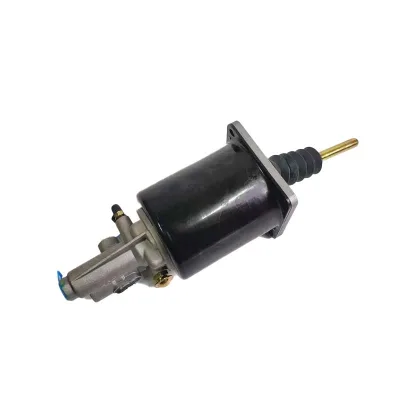
Understanding the physical and mechanical attributes of a truck clutch booster is the first step in any sourcing strategy. The core function of a clutch servo, often referred to as a power brake or clutch booster, is to amplify the force applied by the driver to the clutch pedal, ensuring smooth engagement and disengagement. In the current market, these units are frequently manufactured using specific alloys to balance weight and durability. Data indicates that Aluminum and Steel are the primary materials utilized in production. Aluminum Alloy variants are often selected for their corrosion resistance and weight reduction, which is beneficial for fuel efficiency in heavy trucks. Conversely, Steel components provide the necessary structural rigidity for high-torque applications.
The manufacturing process plays a pivotal role in the final product's integrity. Precision Die Casting is a common method employed to create complex geometries with high accuracy. This process often utilizes Cold Chamber Die Casting Machines, which are preferred for handling non-ferrous metals like aluminum. The resulting parts typically undergo CNC Machining to achieve precise tolerances, with Grade 8 tolerance levels observed in high-quality units. Surface preparation is equally critical; processes such as Polishing are standard to ensure smooth operation and aesthetic finish. Furthermore, surface finishes like Tin Plate are applied to enhance corrosion protection and longevity.
When evaluating technical specifications, buyers must verify the dimensional standards. Products are often categorized by their specific application, such as "Front" position in the vehicle assembly, and must adhere to standard sizing conventions. However, customization is frequently available, allowing suppliers to produce units based on specific customer drawings. This flexibility is essential for older truck models or specialized fleet requirements where off-the-shelf parts may not fit. The pressure chamber structure is typically vertical, a design choice that optimizes the hydraulic or pneumatic force transfer within the unit.
Compliance, Certification, and Regulatory Standards
In the B2B procurement of automotive parts, compliance is non-negotiable. Buyers must verify that suppliers adhere to recognized international quality management systems. The ISO 9001 certification is a fundamental benchmark for manufacturing consistency and quality control. While some market data references ISO 9001 alongside other standards, the presence of this certification indicates a commitment to maintaining documented processes and continuous improvement. Additionally, specific regional certifications such as CCC (China Compulsory Certification) are relevant for products intended for the domestic Chinese market or export to regions requiring similar regulatory adherence.
Environmental and safety standards are also critical. The RoHS (Restriction of Hazardous Substances) directive is often cited in product descriptions, ensuring that the components do not contain restricted hazardous materials. Similarly, CE marking may be observed, indicating conformity with health, safety, and environmental protection standards for products sold within the European Economic Area. However, buyers should treat these as observations of specific listings rather than universal guarantees for all products in a category. It is imperative to request valid certification documents from the supplier before finalizing an order, as these documents serve as the primary evidence of compliance.
For heavy-duty vehicles, emission standards can influence component design, particularly regarding the interaction between the clutch system and the engine. Some units are designed to meet Euro V discharge standards, which implies a level of engineering that considers the broader environmental impact of the vehicle's operation. While the clutch booster itself is a mechanical component, its integration into the vehicle system must not compromise the vehicle's ability to meet these emission thresholds.
Cost Drivers and Pricing Dynamics
The pricing of truck clutch boosters is influenced by a complex interplay of factors, including material costs, manufacturing complexity, and order volume. The observed market price range for these components spans from approximately 5 to 212 USD. This wide variance reflects differences in material quality, brand reputation, and the level of customization required. Basic units made from standard materials with minimal processing will naturally fall at the lower end of the spectrum. In contrast, precision-engineered components featuring advanced surface treatments, custom dimensions, or high-grade alloys will command higher prices.
Order volume is a significant determinant of cost. The Minimum Order Quantity (MOQ) in the market varies, with some suppliers offering single-item purchases while others require bulk orders of up to 100 units. An MOQ of 1 allows for small-scale testing or immediate replacement needs, whereas higher MOQs often unlock tiered pricing structures. Buyers should analyze their total cost of ownership, considering not just the unit price but also shipping, potential tariffs, and the cost of inventory holding.
Payment terms also impact the financial dynamics of the transaction. Common methods include Western Union and Telegraphic Transfer (TT). While these methods are standard, buyers should negotiate terms that align with their cash flow strategies. Additionally, the availability of samples can affect initial costs. Many suppliers offer samples, which can be a crucial step in validating quality before committing to a large order. The cost of these samples should be factored into the overall procurement budget.
Typical Applications and Vehicle Compatibility
Truck clutch boosters are designed for specific vehicle makes and models, making compatibility the most critical factor in application. The market data highlights specific fitment requirements for brands such as Isuzu and Hino. These components are often identified by unique part numbers, such as 642-09102 or 642-03505, which serve as the primary reference for buyers. Cross-referencing these OE (Original Equipment) numbers with reference numbers like 0730511900 or 3400 629 683 ensures that the replacement part is an exact match for the vehicle's existing system.
The application extends beyond simple replacement; these boosters are essential for the repair and maintenance of commercial fleets. They are specifically designed for heavy-duty trucks where the clutch system undergoes significant stress. The "Floor" classification for drum brakes suggests that these components are integrated into specific braking or clutch architectures found in floor-mounted pedal assemblies. Buyers must verify the "Car Fitment" details, such as Hino or Kinglong, to ensure the part is suitable for their specific fleet.
Furthermore, the "Main Market" data indicates a global distribution network, with products available for South America, North America, Eastern Europe, Southeast Asia, and other regions. This global reach implies that these components are standardized enough to be used across various international markets, yet specific enough to meet regional vehicle specifications. The "Standard" size designation suggests that many units are designed to fit a broad range of vehicles without modification, though "Customized Standard" packaging and dimensions are available for specialized needs.
Supplier Evaluation and Quality Assurance
Selecting the right supplier is as important as selecting the right part. A robust supplier evaluation process should begin with verifying the "Place of Origin." While many products originate from China, specific regions like Shaanxi and Henan are noted as production hubs. Buyers should investigate the manufacturing capabilities of suppliers in these regions, focusing on their adherence to the "as drawing" standard. This indicates that the supplier is capable of producing parts that match the customer's technical drawings precisely, a vital capability for custom orders.
Quality control is embedded in the manufacturing process. The use of "New" condition parts is a baseline requirement, but buyers must also assess the supplier's ability to maintain consistency. The "Condition: New" attribute confirms that the parts are not refurbished, which is crucial for safety-critical components. Additionally, the "Sample: Offered" attribute is a positive indicator of supplier confidence; it suggests that the supplier is willing to let the buyer verify quality before a bulk purchase.
When evaluating suppliers, look for those who provide comprehensive documentation, including material certificates and test reports. The "Tolerance Grade: 8" is a specific technical metric that should be verified in the supplier's quality assurance reports. Suppliers who can demonstrate their ability to consistently meet this tolerance level are more likely to deliver reliable products. Furthermore, the "Delivery Time" of 15 days is a standard benchmark; buyers should confirm if this timeline is realistic for their specific order size and destination.
Long-Term Procurement and Supply Chain Resilience
Sourcing truck clutch boosters is not merely a transactional activity but a strategic long-term commitment. The "OEM Services Provided" attribute indicates that suppliers can offer Original Equipment Manufacturer-level support, which is beneficial for maintaining fleet consistency. Buyers should prioritize suppliers who can scale their production to meet fluctuating demand, especially given the "Main Market" diversity. A supplier with a global reach is better positioned to handle logistics challenges and ensure timely delivery to various regions.
Packaging is another long-term consideration. The "Pallet" and "Standard Packaging" options suggest that the products are designed for efficient shipping and storage. However, "Customized Standard" packaging is available, which can be essential for protecting sensitive components during long-distance transit. Buyers should evaluate the packaging quality to prevent damage during shipping, which can lead to costly returns and delays.
Finally, the "Customization: Available" feature allows for future-proofing the supply chain. As vehicle fleets evolve or specific models are phased out, the ability to order custom specifications ensures that the procurement strategy remains viable. Buyers should establish a relationship with suppliers who can adapt to these changes, ensuring a steady supply of compatible parts for the lifespan of their vehicles. By focusing on these long-term factors, procurement professionals can build a resilient supply chain that supports the operational needs of their trucking fleets.
FAQs
What materials are used for truck clutch boosters?
Truck clutch boosters are primarily manufactured using aluminum, steel, and aluminum alloy. These materials are selected to balance weight reduction with the structural rigidity required for high-torque applications in heavy-duty vehicles.
Which certifications do these parts typically hold?
Many units carry ISO 9001, CCC, RoHS, and CE certifications. Buyers should verify specific documents as these indicate compliance with quality management systems and safety standards rather than universal guarantees for all listed products.
How long is the standard delivery time?
The standard delivery time for these components is approximately 15 days. This timeline applies to production and shipping but may vary based on order volume and specific customization requirements requested by the buyer.
Can suppliers offer samples for verification?
Yes, many suppliers offer samples to allow buyers to verify quality before placing bulk orders. This service helps validate the product against specific drawings and tolerance grades before committing to larger Minimum Order Quantities.
What is the typical price range for these parts?
The observed price range for truck clutch boosters spans from 5 to 212 USD. This variance depends on material quality, manufacturing complexity, and whether the unit requires standard or customized specifications and packaging.
Which vehicle brands are these boosters compatible with?
These parts are compatible with brands such as Isuzu, Hino, and Kinglong. Compatibility is determined by matching specific OE numbers like 642-09102 with reference numbers to ensure a precise fit for the vehicle's clutch system.